
Practical Garden Guide
How Long Should You Run a Soaker Hose?
Run time should be set by how deeply the soil becomes moist, not by a universal number of minutes.
By Gardening Is Ezee EditorsUpdated 14 min read
In this watering workflow for how long should you run a soaker hose, Quick answer: Run time should be set by how deeply the soil becomes moist, not by a universal number of minutes.
With sandy soil draining quickly in mind, a useful diagnosis separates what you can observe from what you merely suspect. Work from the simplest baseline toward the complete setup, change one condition at a time, and keep the manufacturer’s safety and maintenance instructions beside you. That approach is slower than guessing for five minutes and considerably faster than buying the wrong replacement.
Start with the symptom, not the shopping list
For how long should you run a soaker hose, describe when the problem appears, where it begins and whether it affects the whole system or one part. Note the weather, recent maintenance and any change made just before the symptom started. A repeatable description gives you a baseline against which every adjustment can be judged.
In this watering workflow for how long should you run a soaker hose, avoid treating category names as diagnoses. Products that look similar can use different materials, capacities, clearances and operating limits. The exact manual for the model in front of you has priority over a general rule, especially around blades, batteries, pressure, fuel, electricity and structural loads.
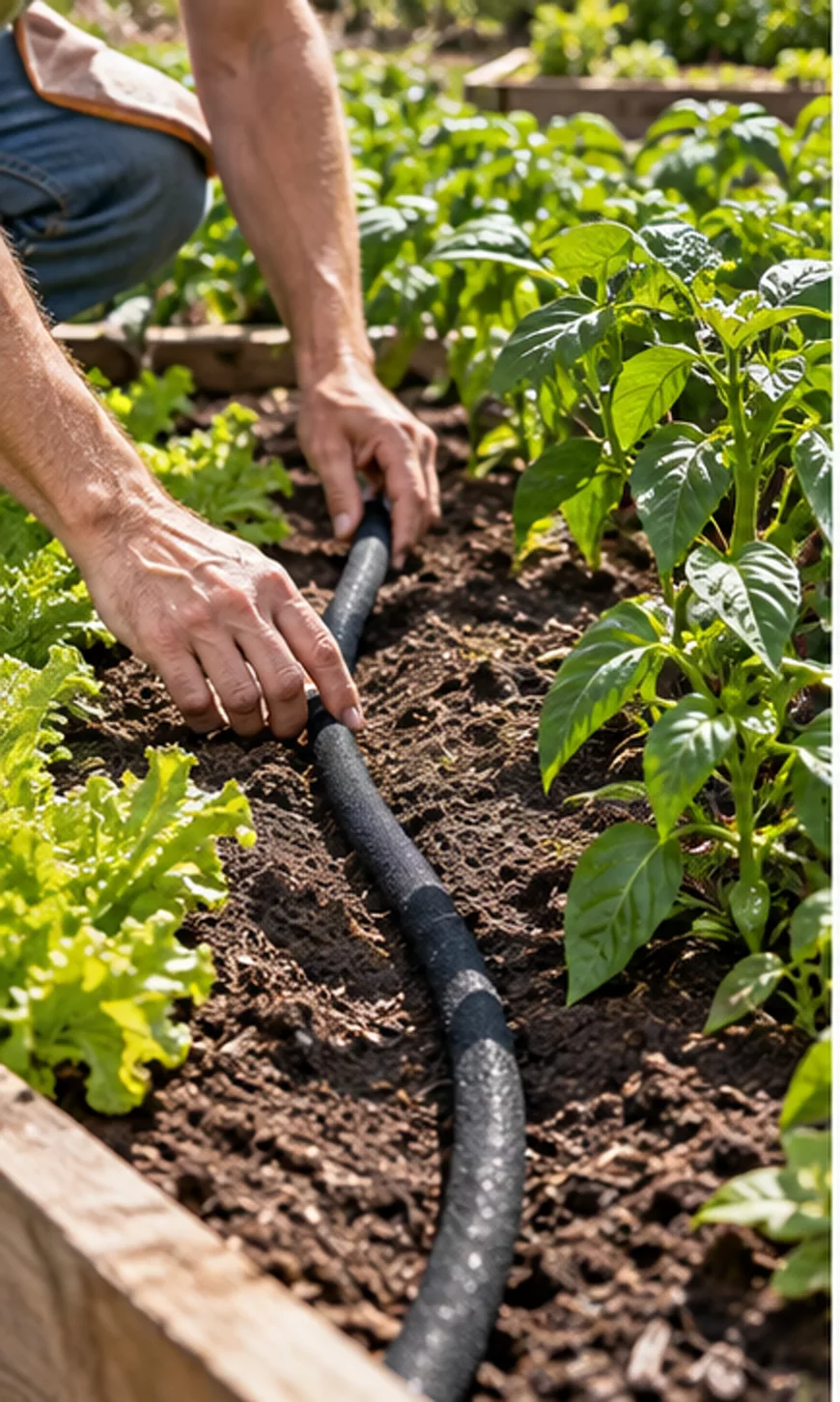
A practical first look at how long should you run a soaker hose. Original editorial illustration created for Gardening Is Ezee.
The most likely causes
1. Sandy soil draining quickly
In this watering workflow for how long should you run a soaker hose, sandy soil draining quickly deserves attention because it can create the visible symptom without meaning the entire setup has failed. Inspect it under ordinary working conditions, compare it with an unaffected area or component, and record the difference before making an adjustment.
With sandy soil draining quickly in mind, a single observation is not proof. Repeat the check after the equipment or soil has reached its normal operating state. If correcting this factor changes the result consistently, you have useful evidence; if nothing changes, restore the original setup and move to the next cause.
2. Clay accepting water slowly
For how long should you run a soaker hose, clay accepting water slowly deserves attention because it can create the visible symptom without meaning the entire setup has failed. Inspect it under ordinary working conditions, compare it with an unaffected area or component, and record the difference before making an adjustment.
In this watering workflow for how long should you run a soaker hose, a single observation is not proof. Repeat the check after the equipment or soil has reached its normal operating state. If correcting this factor changes the result consistently, you have useful evidence; if nothing changes, restore the original setup and move to the next cause.
3. Uneven hose seepage
Before you lay the hose on level soil, uneven hose seepage deserves attention because it can create the visible symptom without meaning the entire setup has failed. Inspect it under ordinary working conditions, compare it with an unaffected area or component, and record the difference before making an adjustment.
For how long should you run a soaker hose, a single observation is not proof. Repeat the check after the equipment or soil has reached its normal operating state. If correcting this factor changes the result consistently, you have useful evidence; if nothing changes, restore the original setup and move to the next cause.
4. Too much supply pressure
With sandy soil draining quickly in mind, too much supply pressure deserves attention because it can create the visible symptom without meaning the entire setup has failed. Inspect it under ordinary working conditions, compare it with an unaffected area or component, and record the difference before making an adjustment.
Before you lay the hose on level soil, a single observation is not proof. Repeat the check after the equipment or soil has reached its normal operating state. If correcting this factor changes the result consistently, you have useful evidence; if nothing changes, restore the original setup and move to the next cause.
5. Widely spaced hose runs
In this watering workflow for how long should you run a soaker hose, widely spaced hose runs deserves attention because it can create the visible symptom without meaning the entire setup has failed. Inspect it under ordinary working conditions, compare it with an unaffected area or component, and record the difference before making an adjustment.
With sandy soil draining quickly in mind, a single observation is not proof. Repeat the check after the equipment or soil has reached its normal operating state. If correcting this factor changes the result consistently, you have useful evidence; if nothing changes, restore the original setup and move to the next cause.
6. Hot windy weather
For how long should you run a soaker hose, hot windy weather deserves attention because it can create the visible symptom without meaning the entire setup has failed. Inspect it under ordinary working conditions, compare it with an unaffected area or component, and record the difference before making an adjustment.
In this watering workflow for how long should you run a soaker hose, a single observation is not proof. Repeat the check after the equipment or soil has reached its normal operating state. If correcting this factor changes the result consistently, you have useful evidence; if nothing changes, restore the original setup and move to the next cause.
A step-by-step field check
Before you lay the hose on level soil, use the sequence below in order. It begins with low-risk observations and delays disassembly or replacement until the evidence justifies it. Keep children and pets away from the work area, and disconnect power or water whenever the relevant manual requires it.
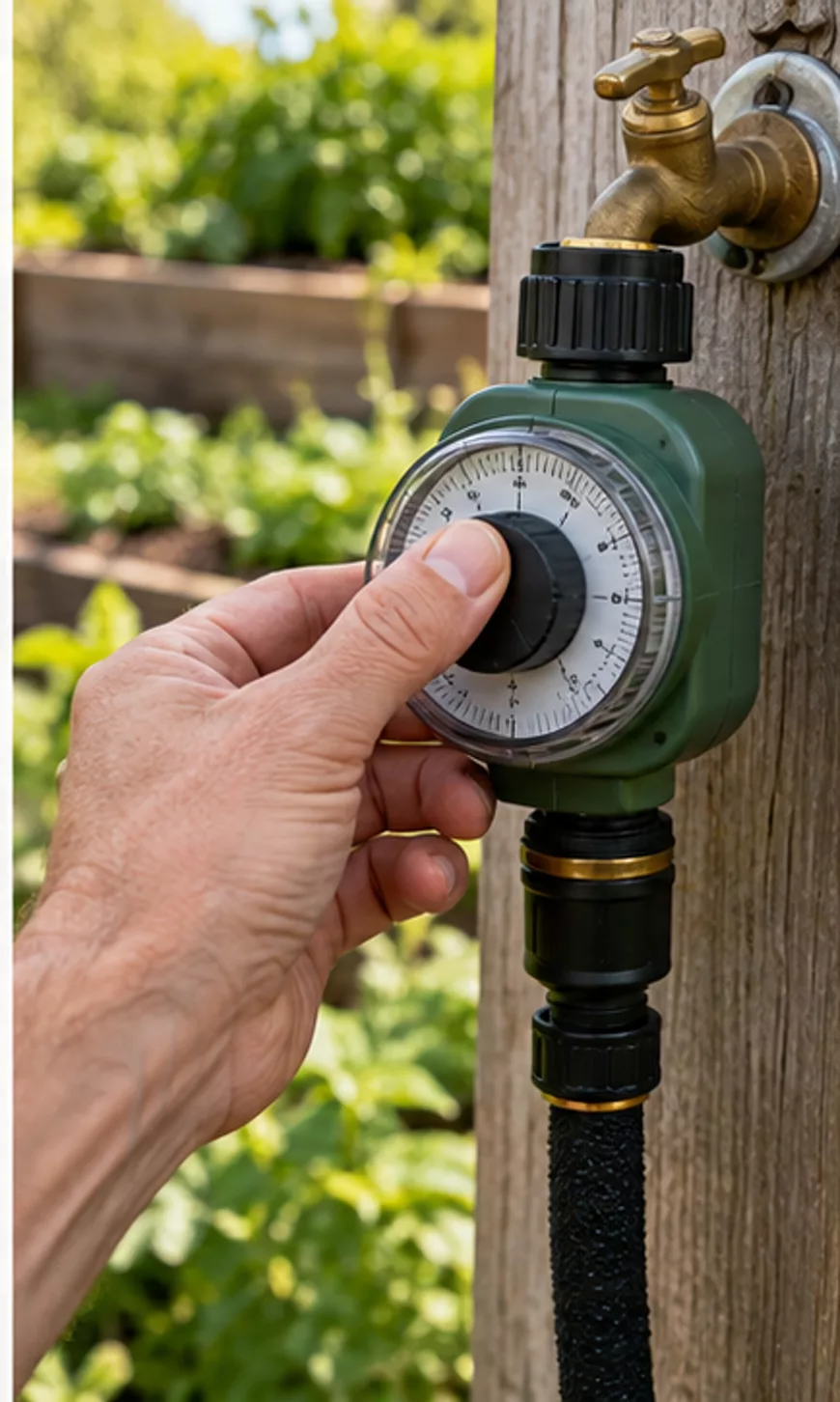
Checking one variable at a time helps isolate the cause of how long to run a soaker hose. Original editorial illustration created for Gardening Is Ezee. Step 1: Lay the hose on level soil. Do this under the same conditions used for the baseline so the comparison remains meaningful. Observe the immediate result, but also check again after a normal work cycle. If the result becomes worse, stop and return to the last safe configuration.
Step 2: Use a pressure regulator when required. Take a photograph or short note before changing anything, particularly when several settings look alike. Observe the immediate result, but also check again after a normal work cycle. If it improves only part of the area, look for a second restriction or uneven setting downstream.
Step 3: Start with a short timed cycle. Do this under the same conditions used for the baseline so the comparison remains meaningful. Observe the immediate result, but also check again after a normal work cycle. If there is no measurable change, do not stack another adjustment on top of it; restore the setting first.
Step 4: Probe the soil after water redistributes. Take a photograph or short note before changing anything, particularly when several settings look alike. Observe the immediate result, but also check again after a normal work cycle. If the result becomes worse, stop and return to the last safe configuration.
Step 5: Measure moisture at several points. Do this under the same conditions used for the baseline so the comparison remains meaningful. Observe the immediate result, but also check again after a normal work cycle. If it improves only part of the area, look for a second restriction or uneven setting downstream.
Step 6: Adjust spacing before extending runtime. Take a photograph or short note before changing anything, particularly when several settings look alike. Observe the immediate result, but also check again after a normal work cycle. If there is no measurable change, do not stack another adjustment on top of it; restore the setting first.
Step 7: Mulch over but not under the hose. Do this under the same conditions used for the baseline so the comparison remains meaningful. Observe the immediate result, but also check again after a normal work cycle. If the result becomes worse, stop and return to the last safe configuration.
Step 8: Repeat the test after major weather changes. Take a photograph or short note before changing anything, particularly when several settings look alike. Observe the immediate result, but also check again after a normal work cycle. If it improves only part of the area, look for a second restriction or uneven setting downstream.
How to read the results
With sandy soil draining quickly in mind, a system-wide problem points toward a shared source, setting or maintenance item. A symptom confined to one outlet, strip, corner or moving part is more likely to be local. Problems that appear only after several minutes suggest heat, load, pressure loss, moisture redistribution or declining battery output rather than an immediate mechanical break.
Before you lay the hose on level soil, use household measurements where they help: elapsed minutes, bucket volume, soil depth, route length, battery state, cutting width or the number of passes. Precision should serve the decision. A repeatable measurement made with ordinary tools is more useful than an impressive number based on assumptions.

A close inspection of how long to run a soaker hose reveals details that a quick visual check can miss. Original editorial illustration created for Gardening Is Ezee.
With sandy soil draining quickly in mind, do not confuse temporary improvement with repair. Cooling a battery, clearing one clog or raising a deck may make the next pass look better while leaving the underlying cause unresolved. Repeat the normal workload and inspect the result again before declaring the problem solved.
Common mistakes that make the problem harder
For how long should you run a soaker hose, the first mistake is changing several variables at once. When the result improves, you will not know which change mattered; when it worsens, you will not know what to undo. The second is forcing a fitting, blade, fastener or adjustment beyond its intended range. More torque, pressure or speed is not a substitute for correct fit.
In this watering workflow for how long should you run a soaker hose, another mistake is relying only on the cleanest or easiest test condition. Equipment and garden systems behave differently when hot, wet, loaded, elevated or halfway through a long route. Test the ordinary demanding condition as well as the easy baseline, but never create an unsafe test merely to reproduce a symptom.
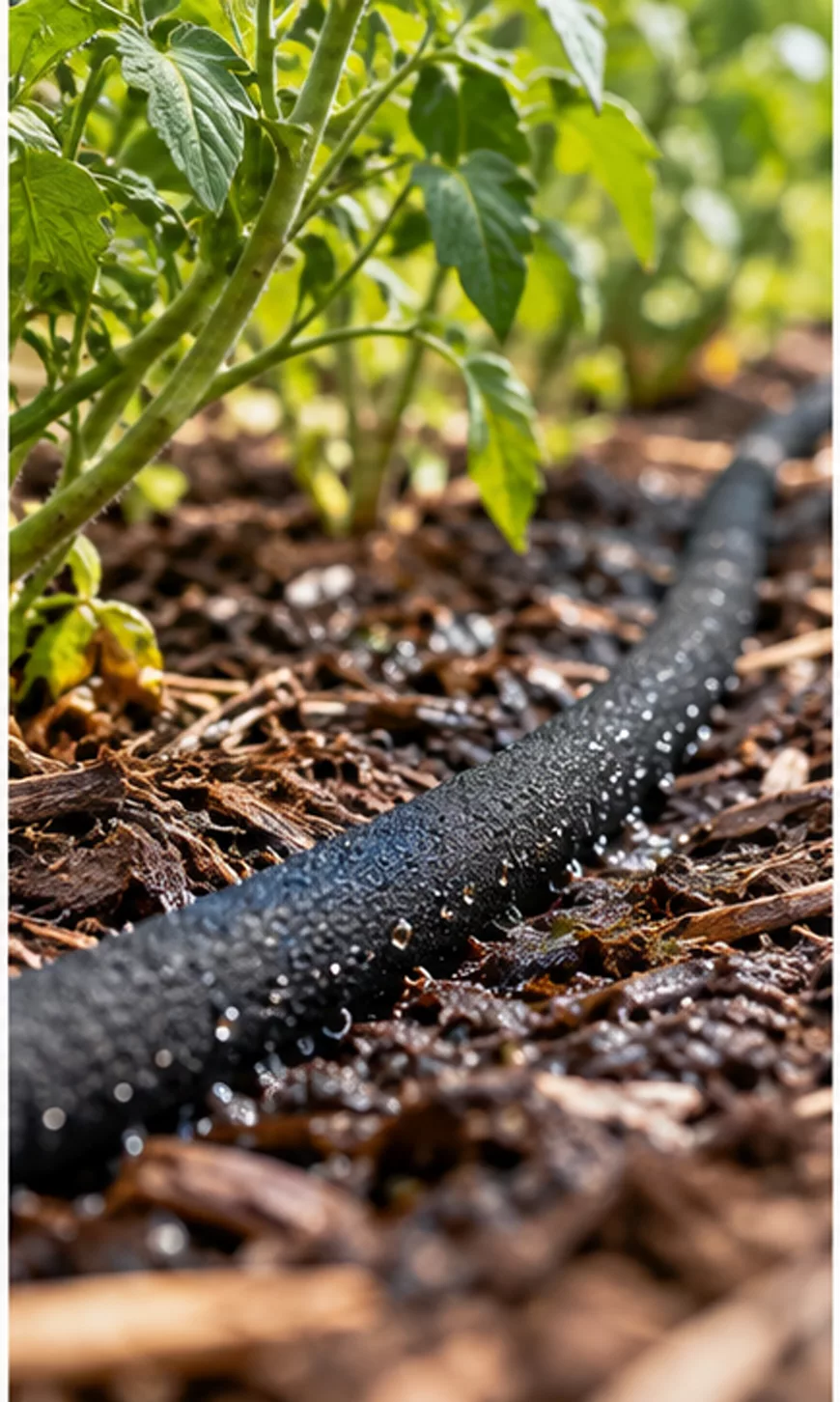
For how long to run a soaker hose, correcting the identified cause is more reliable than replacing parts at random. Original editorial illustration created for Gardening Is Ezee.
For how long should you run a soaker hose, finally, avoid buying around a maintenance problem. A larger tool or higher-capacity component may hide the symptom briefly while adding weight, cost and storage demands. Clean, adjust and measure first; replace only when damage, incompatibility or insufficient working capacity has been demonstrated.
Maintenance after the fix
With sandy soil draining quickly in mind, build a short inspection into the start or end of the job. Look for loose connections, blocked openings, moisture where it should not remain, damaged guards, unusual wear and anything that changed since the previous use. Small corrections are easier when they are found before a full workload.
Before you lay the hose on level soil, storage is part of performance. Keep cleaned components dry, protect them from temperature extremes, relieve pressure where instructed and avoid tight bends or contact with corrosive material. Consumable parts should be labeled for the exact platform or specification so a convenient but incompatible substitute is not installed later.

After addressing how long to run a soaker hose, a maintained setup should stay consistent through a normal work cycle. Original editorial illustration created for Gardening Is Ezee.
With sandy soil draining quickly in mind, keep a simple seasonal record. The date, symptom, measurement and successful correction are enough. That history makes the next diagnosis faster and helps distinguish ordinary maintenance from a part that is failing repeatedly.
When repair or professional help makes more sense
For how long should you run a soaker hose, stop when you find cracked structural parts, damaged battery cases, exposed wiring, fuel leaks, severe vibration, a bent cutting assembly, unsafe pressure, contaminated water risk or a repair that requires unsupported lifting. The cost of qualified service is small compared with injury or damage caused by improvising beyond routine homeowner maintenance.
In this watering workflow for how long should you run a soaker hose, replacement is reasonable when the correct repair part is unavailable, damage affects a safety-critical component, or repeated repairs exceed the value and reliability of the equipment. Compare the whole replacement system, including compatible batteries, fittings, storage and future parts—not only the advertised headline specification.
Field note 1
Recheck the result after weather, workload or seasonal conditions change, because a setting that worked during a mild week may not suit the next demanding period. In this case, relate that check specifically to sandy soil draining quickly and the step to lay the hose on level soil. Write down what changed, allow the system to complete its ordinary cycle, and compare it with the original baseline rather than with an idealized result.
Frequently asked questions
Should I replace the equipment as soon as this problem appears?
For how long should you run a soaker hose, usually not. Establish a baseline and rule out cleaning, setup, compatibility and normal wear first. Replace the affected item when inspection shows damage, it cannot meet the documented workload, or the manufacturer does not support a safe repair.
Can I use a stronger setting to compensate?
With sandy soil draining quickly in mind, only when the manual permits that setting and the rest of the system is rated for it. Extra pressure, speed, torque or runtime can move the symptom elsewhere and accelerate wear without correcting the cause.
How can I tell whether the fix worked?
For how long should you run a soaker hose, repeat the original test under comparable conditions, then complete one normal work cycle. A real fix improves the result consistently without creating leakage, heat, vibration, runoff, plant stress or another new symptom.
What should I record for next time?
With sandy soil draining quickly in mind, note the operating conditions, one or two useful measurements, the part or setting changed and the result after a full cycle. Photographs are particularly useful for routing, adjustment positions and seasonal soil conditions.
Related Gardening Is Ezee guides
- Best Soaker Hoses
- Best Watering Timers
- Soaker Hose Vs Drip Irrigation
- How Often To Water Raised Garden Beds