
Practical Garden Guide
Why Your Lawn Mower Battery Is Not Charging
First separate a battery that cannot accept charge from a charger, outlet, connector, or mower charging circuit that is not delivering it.
By Gardening Is Ezee EditorsUpdated 14 min read
Quick answer: First separate a battery that cannot accept charge from a charger, outlet, connector, or mower charging circuit that is not delivering it.
For why your lawn mower battery is not charging, this guide is designed for a homeowner who wants a defensible result, not a shortcut that merely looks convincing for one afternoon. Start with what is visible, keep safety controls intact, and let the response of the turf, plant, compost, or tool determine the next move.
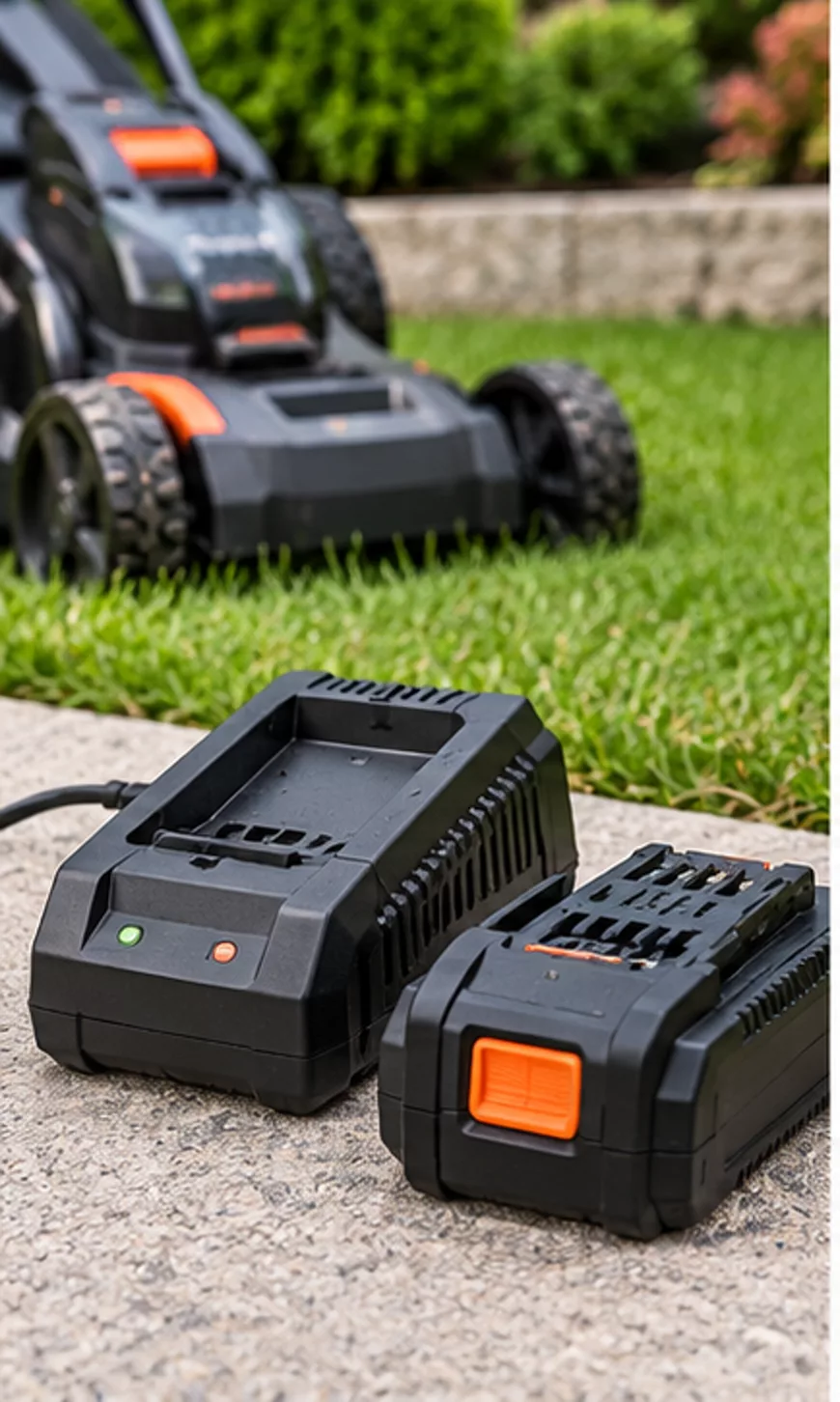
The starting condition is easier to diagnose before anything is changed. Original editorial image created for Gardening Is Ezee.
Read the lawn before adjusting the machine
With why your lawn mower battery is not charging, wrong charger or platform deserves attention before dirty or damaged contacts. Observe the condition in more than one spot and under the same workload. That comparison keeps a local defect, a temporary weather effect, and a system-wide problem from being treated as the same thing. Begin by let the pack reach room temperature, then verify the exact charger model. Change only one meaningful variable, complete a normal cycle, and compare the outcome with the original baseline before moving on. For this guide, that evidence should be interpreted specifically in relation to wrong charger or platform; it should not be generalized to every lawn, plant, pile, or machine.
What the symptom is telling you
The practical decision here turns on dirty or damaged contacts, not on a fixed calendar or a product claim. Conditions matter as much as the object itself. Heat, wind, recent rain, soil firmness, plant growth, and the size of the workload can reveal a weakness that disappears during a quick test on an easy area. Begin by inspect contacts without metal tools, then seat the pack firmly. Change only one meaningful variable, complete a normal cycle, and compare the outcome with the original baseline before moving on. For this guide, that evidence should be interpreted specifically in relation to dirty or damaged contacts; it should not be generalized to every lawn, plant, pile, or machine.
- Wrong charger or platform: Check it against dead wall outlet and note whether the effect is local, progressive, or present from the start.
- Dead wall outlet: Check it against dirty or damaged contacts and note whether the effect is local, progressive, or present from the start.
- Dirty or damaged contacts: Check it against battery temperature protection and note whether the effect is local, progressive, or present from the start.
- Battery temperature protection: Check it against deep discharge or cell damage and note whether the effect is local, progressive, or present from the start.
- Deep discharge or cell damage: Check it against onboard charging fault and note whether the effect is local, progressive, or present from the start.
- Onboard charging fault: Check it against wrong charger or platform and note whether the effect is local, progressive, or present from the start.
Set a safe baseline
The practical decision here turns on dirty or damaged contacts, not on a fixed calendar or a product claim. Observe the condition in more than one spot and under the same workload. That comparison keeps a local defect, a temporary weather effect, and a system-wide problem from being treated as the same thing. Do not convert uncertainty into force. Extra speed, pressure, depth, torque, water, or material can hide the first symptom while creating a more expensive second one. For this guide, that evidence should be interpreted specifically in relation to dirty or damaged contacts; it should not be generalized to every lawn, plant, pile, or machine.
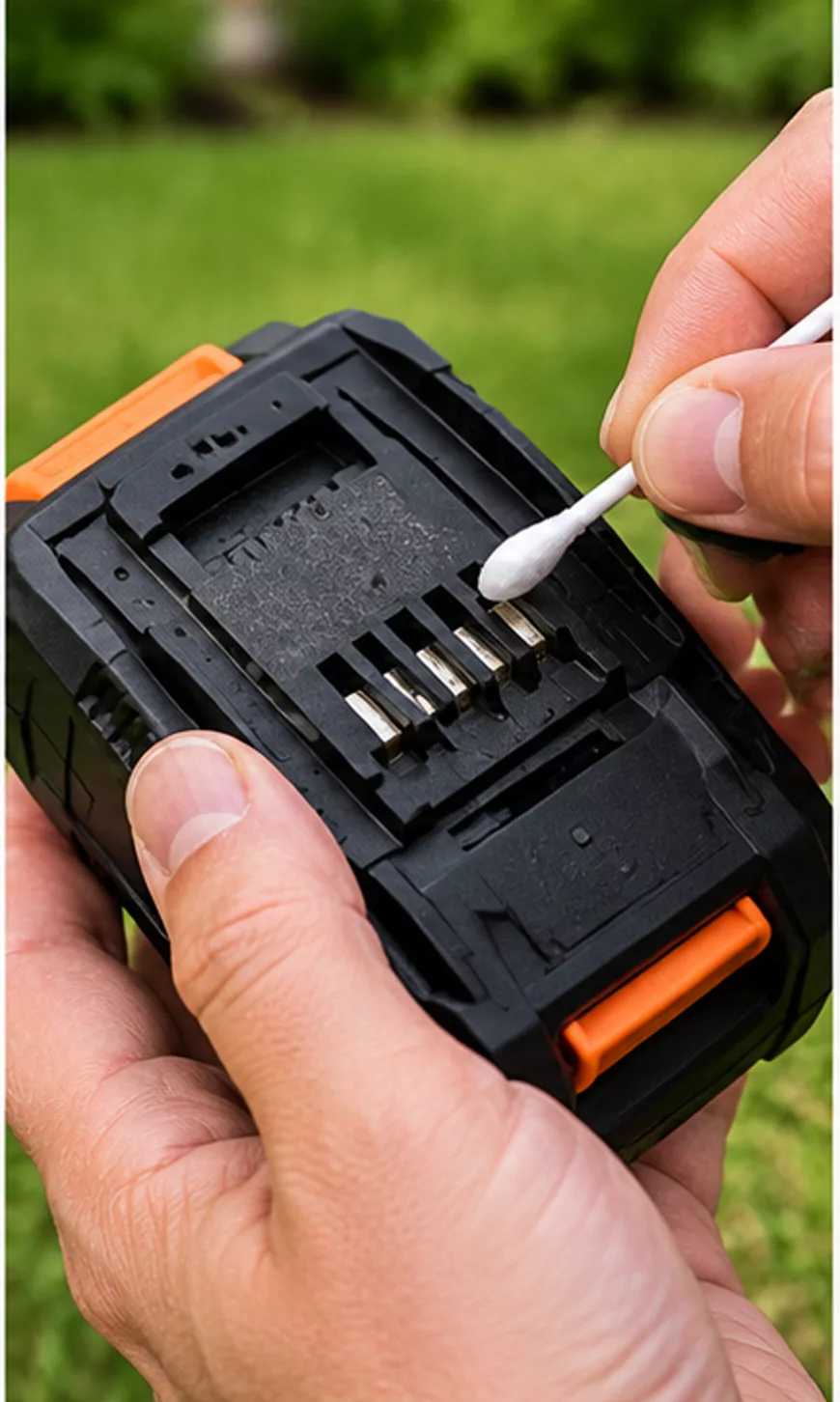
A close check separates the likely cause from a convenient guess. Original editorial image created for Gardening Is Ezee.
Work through the checks in order
With why your lawn mower battery is not charging, deep discharge or cell damage deserves attention before wrong charger or platform. Conditions matter as much as the object itself. Heat, wind, recent rain, soil firmness, plant growth, and the size of the workload can reveal a weakness that disappears during a quick test on an easy area. Do not convert uncertainty into force. Extra speed, pressure, depth, torque, water, or material can hide the first symptom while creating a more expensive second one. For this guide, that evidence should be interpreted specifically in relation to deep discharge or cell damage; it should not be generalized to every lawn, plant, pile, or machine.
- Let the pack reach room temperature. Keep the setup comparable, observe the immediate response, and stop if the change introduces a safety concern.
- Verify the exact charger model. Keep the setup comparable, observe the immediate response, and stop if the change introduces a safety concern.
- Test the outlet. Keep the setup comparable, observe the immediate response, and stop if the change introduces a safety concern.
- Inspect contacts without metal tools. Keep the setup comparable, observe the immediate response, and stop if the change introduces a safety concern.
- Seat the pack firmly. Keep the setup comparable, observe the immediate response, and stop if the change introduces a safety concern.
- Observe indicator codes. Keep the setup comparable, observe the immediate response, and stop if the change introduces a safety concern.
- Try a known-good compatible component. Keep the setup comparable, observe the immediate response, and stop if the change introduces a safety concern.
- Isolate and recycle a swollen pack. Keep the setup comparable, observe the immediate response, and stop if the change introduces a safety concern.
Technique changes that matter
With why your lawn mower battery is not charging, deep discharge or cell damage deserves attention before wrong charger or platform. Observe the condition in more than one spot and under the same workload. That comparison keeps a local defect, a temporary weather effect, and a system-wide problem from being treated as the same thing. Begin by let the pack reach room temperature, then verify the exact charger model. Change only one meaningful variable, complete a normal cycle, and compare the outcome with the original baseline before moving on. For this guide, that evidence should be interpreted specifically in relation to deep discharge or cell damage; it should not be generalized to every lawn, plant, pile, or machine.
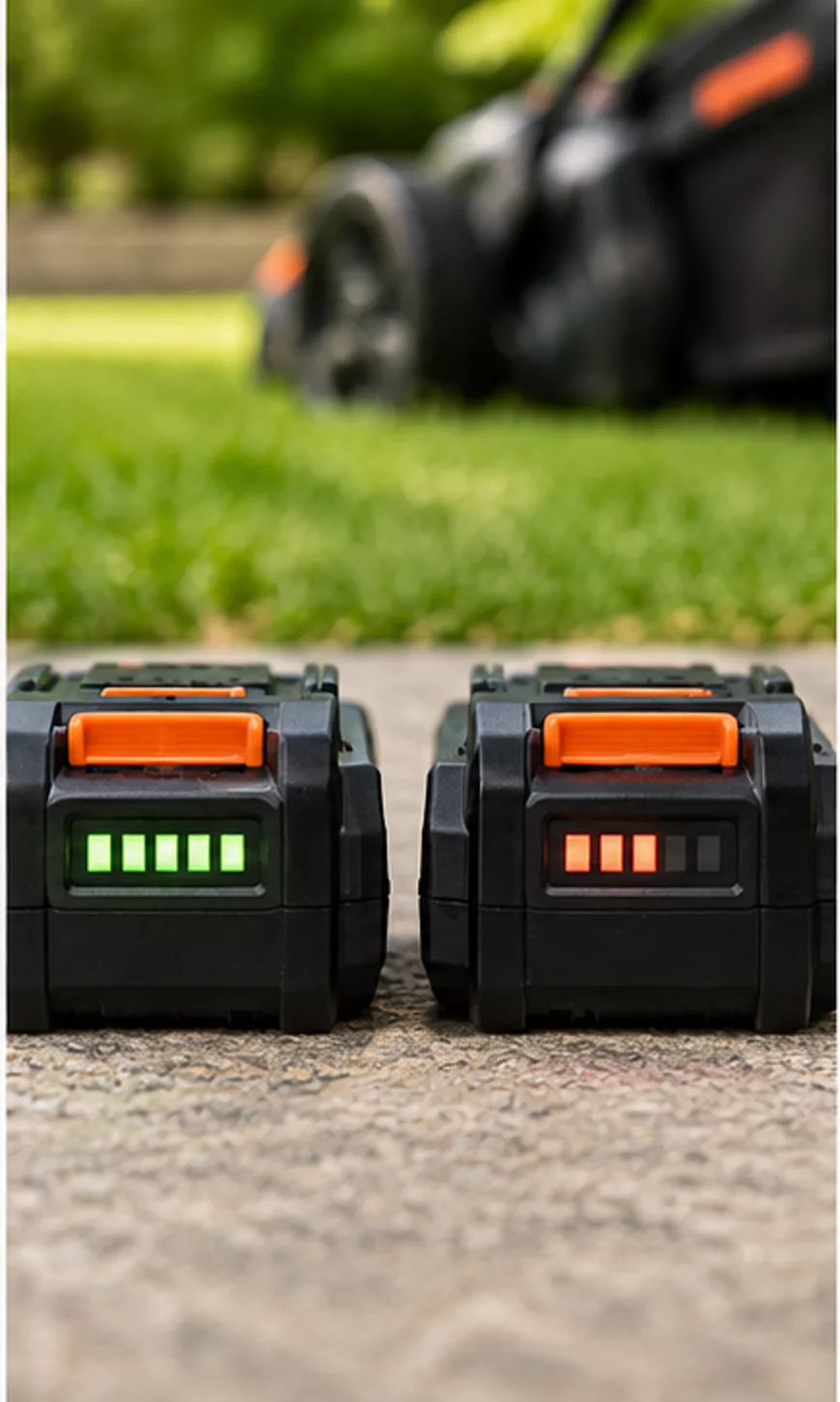
Good technique controls the material instead of forcing it. Original editorial image created for Gardening Is Ezee.
How weather and soil change the result
The practical decision here turns on wrong charger or platform, not on a fixed calendar or a product claim. Conditions matter as much as the object itself. Heat, wind, recent rain, soil firmness, plant growth, and the size of the workload can reveal a weakness that disappears during a quick test on an easy area. Begin by inspect contacts without metal tools, then seat the pack firmly. Change only one meaningful variable, complete a normal cycle, and compare the outcome with the original baseline before moving on. For this guide, that evidence should be interpreted specifically in relation to wrong charger or platform; it should not be generalized to every lawn, plant, pile, or machine.
Mistakes that create a second problem
The practical decision here turns on wrong charger or platform, not on a fixed calendar or a product claim. Observe the condition in more than one spot and under the same workload. That comparison keeps a local defect, a temporary weather effect, and a system-wide problem from being treated as the same thing. Do not convert uncertainty into force. Extra speed, pressure, depth, torque, water, or material can hide the first symptom while creating a more expensive second one. For this guide, that evidence should be interpreted specifically in relation to wrong charger or platform; it should not be generalized to every lawn, plant, pile, or machine.
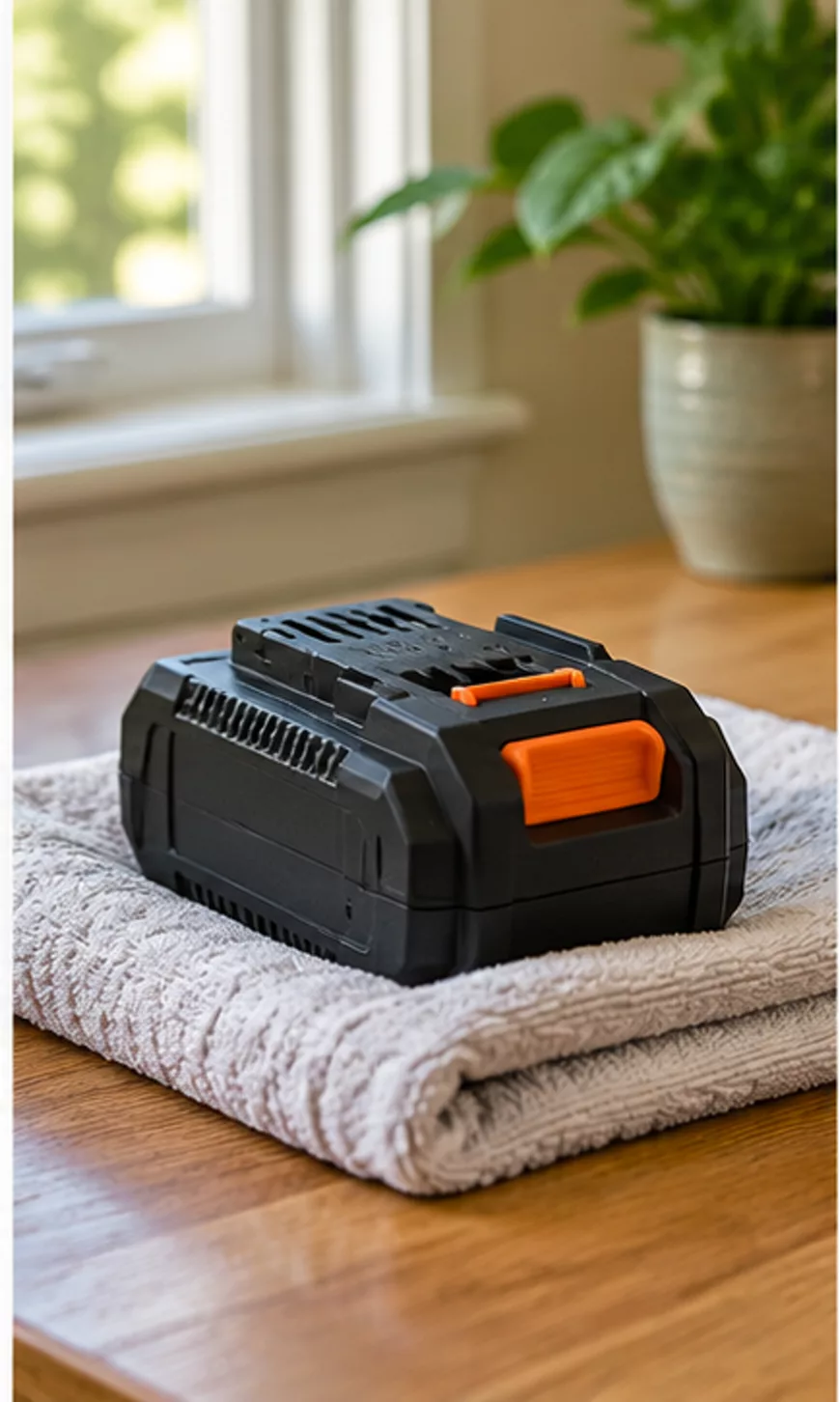
The corrected setup should be checked under ordinary working conditions. Original editorial image created for Gardening Is Ezee.
Confirm the correction
With why your lawn mower battery is not charging, dirty or damaged contacts deserves attention before deep discharge or cell damage. Conditions matter as much as the object itself. Heat, wind, recent rain, soil firmness, plant growth, and the size of the workload can reveal a weakness that disappears during a quick test on an easy area. Do not convert uncertainty into force. Extra speed, pressure, depth, torque, water, or material can hide the first symptom while creating a more expensive second one. For this guide, that evidence should be interpreted specifically in relation to dirty or damaged contacts; it should not be generalized to every lawn, plant, pile, or machine.
A maintenance rhythm that lasts
With why your lawn mower battery is not charging, dirty or damaged contacts deserves attention before deep discharge or cell damage. Observe the condition in more than one spot and under the same workload. That comparison keeps a local defect, a temporary weather effect, and a system-wide problem from being treated as the same thing. Begin by let the pack reach room temperature, then verify the exact charger model. Change only one meaningful variable, complete a normal cycle, and compare the outcome with the original baseline before moving on. For this guide, that evidence should be interpreted specifically in relation to dirty or damaged contacts; it should not be generalized to every lawn, plant, pile, or machine.

A consistent result is the best evidence that the underlying issue has been addressed. Original editorial image created for Gardening Is Ezee.
Know when to stop
The practical decision here turns on deep discharge or cell damage, not on a fixed calendar or a product claim. Conditions matter as much as the object itself. Heat, wind, recent rain, soil firmness, plant growth, and the size of the workload can reveal a weakness that disappears during a quick test on an easy area. Begin by inspect contacts without metal tools, then seat the pack firmly. Change only one meaningful variable, complete a normal cycle, and compare the outcome with the original baseline before moving on. For this guide, that evidence should be interpreted specifically in relation to deep discharge or cell damage; it should not be generalized to every lawn, plant, pile, or machine.
Wrong charger or platform in practice
For why your lawn mower battery is not charging, revisit wrong charger or platform after you inspect contacts without metal tools. The follow-up matters because a fresh adjustment can look successful before moisture redistributes, a battery warms, a cut begins to dry, grass stands upright again, or the compost pile resumes biological activity. Use the same observation point and workload so the comparison remains fair.
In this wrong charger or platform check for why your lawn mower battery is not charging, a partial improvement is not a reason to repeat the correction at greater intensity. Inspect the neighboring condition, document the boundary between good and poor results, and decide whether the limitation is material, environmental, mechanical, or procedural. That distinction protects plants and equipment while giving the next step a clear reason.
Dead wall outlet in practice
For why your lawn mower battery is not charging, revisit dead wall outlet after you seat the pack firmly. The follow-up matters because a fresh adjustment can look successful before moisture redistributes, a battery warms, a cut begins to dry, grass stands upright again, or the compost pile resumes biological activity. Use the same observation point and workload so the comparison remains fair.
In this dead wall outlet check for why your lawn mower battery is not charging, a partial improvement is not a reason to repeat the correction at greater intensity. Inspect the neighboring condition, document the boundary between good and poor results, and decide whether the limitation is material, environmental, mechanical, or procedural. That distinction protects plants and equipment while giving the next step a clear reason.
Dirty or damaged contacts in practice
For why your lawn mower battery is not charging, revisit dirty or damaged contacts after you observe indicator codes. The follow-up matters because a fresh adjustment can look successful before moisture redistributes, a battery warms, a cut begins to dry, grass stands upright again, or the compost pile resumes biological activity. Use the same observation point and workload so the comparison remains fair.
In this dirty or damaged contacts check for why your lawn mower battery is not charging, a partial improvement is not a reason to repeat the correction at greater intensity. Inspect the neighboring condition, document the boundary between good and poor results, and decide whether the limitation is material, environmental, mechanical, or procedural. That distinction protects plants and equipment while giving the next step a clear reason.
Battery temperature protection in practice
For why your lawn mower battery is not charging, revisit battery temperature protection after you try a known-good compatible component. The follow-up matters because a fresh adjustment can look successful before moisture redistributes, a battery warms, a cut begins to dry, grass stands upright again, or the compost pile resumes biological activity. Use the same observation point and workload so the comparison remains fair.
In this battery temperature protection check for why your lawn mower battery is not charging, a partial improvement is not a reason to repeat the correction at greater intensity. Inspect the neighboring condition, document the boundary between good and poor results, and decide whether the limitation is material, environmental, mechanical, or procedural. That distinction protects plants and equipment while giving the next step a clear reason.
Frequently asked questions
What should I check first?
For why your lawn mower battery is not charging, start with wrong charger or platform and dead wall outlet. They are observable without buying parts, and together they help separate a setup problem from wear, weather, or material that exceeds the method's practical limit.
How do I know the correction worked?
Repeat the original lawn mower battery not charging task under comparable conditions and inspect the result after a normal cycle, not only immediately. A sound correction is repeatable and does not create a new issue elsewhere.
When should I stop doing this myself?
While working on lawn mower battery not charging, stop for damaged safety parts, exposed wiring, leaking fuel, swollen batteries, unstable overhead limbs, nearby power lines, severe vibration, or work that cannot be reached from the ground with stable footing. Those conditions need the manufacturer, a qualified repairer, or a certified tree professional.
Is more force, power, or material a faster solution?
For why your lawn mower battery is not charging, usually not. Use only settings and capacities allowed by the equipment or horticultural method; exceeding them can conceal the original cause while increasing wear or plant damage.