
Practical Garden Guide
Single-Chamber vs Dual-Chamber Compost Tumblers
Choose between uninterrupted batch volume and the convenience of filling one side while the other finishes.
By Gardening Is Ezee EditorsUpdated 16 min read
Quick answer: A dual-chamber tumbler makes it easier to fill one side while the other side finishes, but each chamber is smaller. A single large chamber offers more uninterrupted batch volume and fewer internal parts, but you need another place for fresh scraps while the batch cures. Choose by weekly input, batch discipline, turning comfort, and available space.
This guide is designed for a homeowner making a real diagnosis or purchase, not for a laboratory test. Conditions vary with climate, water supply, plants, equipment, and maintenance. Use the measurements described here as observations from your own setup, follow product manuals, and involve a qualified professional whenever structural, electrical, plumbing, tree-work, or personal-safety risks exceed routine garden maintenance.
The decision in one minute
The central comparison is batch volume and batch separation. Begin with the job, site, and routine. Then eliminate options that do not meet compatibility or safety requirements. Only after that should price, appearance, bundled accessories, and review scores decide between finalists.
Use three questions. What result must the setup produce? What is the most difficult normal condition it must handle? What maintenance will you realistically perform? Honest answers prevent overbuying for an imagined extreme and underbuying for the task that occurs every week.
The right choice is not necessarily the option with the largest number on its box. It is the option that fits the complete system. Every connection, container, frame, blade, wheel, battery, or watering device interacts with the parts around it. A single incompatible part can make an otherwise capable product feel defective.
What the terms actually mean
Marketing categories compress many design differences into a short label. Two products in the same category may differ in dimensions, materials, tolerances, working capacity, repair parts, and instructions. Compare the exact model specification, not an assumption based on the category name.
Separate capacity from performance. Capacity describes what a product can hold, reach, or power under stated conditions. Performance describes the result in your setting. A larger capacity can be helpful, but it can also add weight, occupy space, increase drying time, or demand more maintenance. The useful target is adequate capacity with a comfortable margin.
Also separate a symptom from its cause. A weak stream, dry bed, bad smell, rough cut, unstable load, or short runtime is evidence, not a diagnosis. Write down where and when it happens. Compare a simple baseline with the full setup. This habit prevents a plausible story from becoming an unnecessary purchase.
Main options compared
| Option | Usually fits | What to verify |
|---|---|---|
| Single Large Chamber | Best when this describes the actual site or routine | Verify capacity, fit, safety guidance, and maintenance before buying |
| Dual Equal Chambers | Best when this describes the actual site or routine | Verify capacity, fit, safety guidance, and maintenance before buying |
| Dual Unequal Chambers | Best when this describes the actual site or routine | Verify capacity, fit, safety guidance, and maintenance before buying |
| Tumbler Plus Separate Curing Bin | Best when this describes the actual site or routine | Verify capacity, fit, safety guidance, and maintenance before buying |
This table is a screening tool, not a universal ranking. Cross out an option when it cannot meet a non-negotiable requirement. If two remain, compare the full cost of ownership: required accessories, replacement parts, storage, setup time, maintenance, and the likelihood that you will actually use it.
Measure the site before shopping
Start with dimensions and routes. Measure the real path around corners, gates, furniture, beds, slopes, and steps. Note the narrowest opening and the place where the equipment will be stored. If a task happens above ground, record working height and comfortable reach without stretching or standing on an unstable support.
Then record operating conditions. Sun, wind, temperature, rainfall, surface roughness, water availability, outlet location, and exposure to children or pets can change the suitable design. Take photographs and keep the measurements in your phone. Product listings are easier to evaluate when every attractive feature must answer a known requirement.
Finally, measure the workload. Count containers, estimate weekly material volume, time a watering run, measure representative branches, weigh a typical bag, or note the lawn area. Use ordinary and demanding days, not an imaginary maximum. A small tool used twice may be preferable to a large tool that is difficult to store every day.
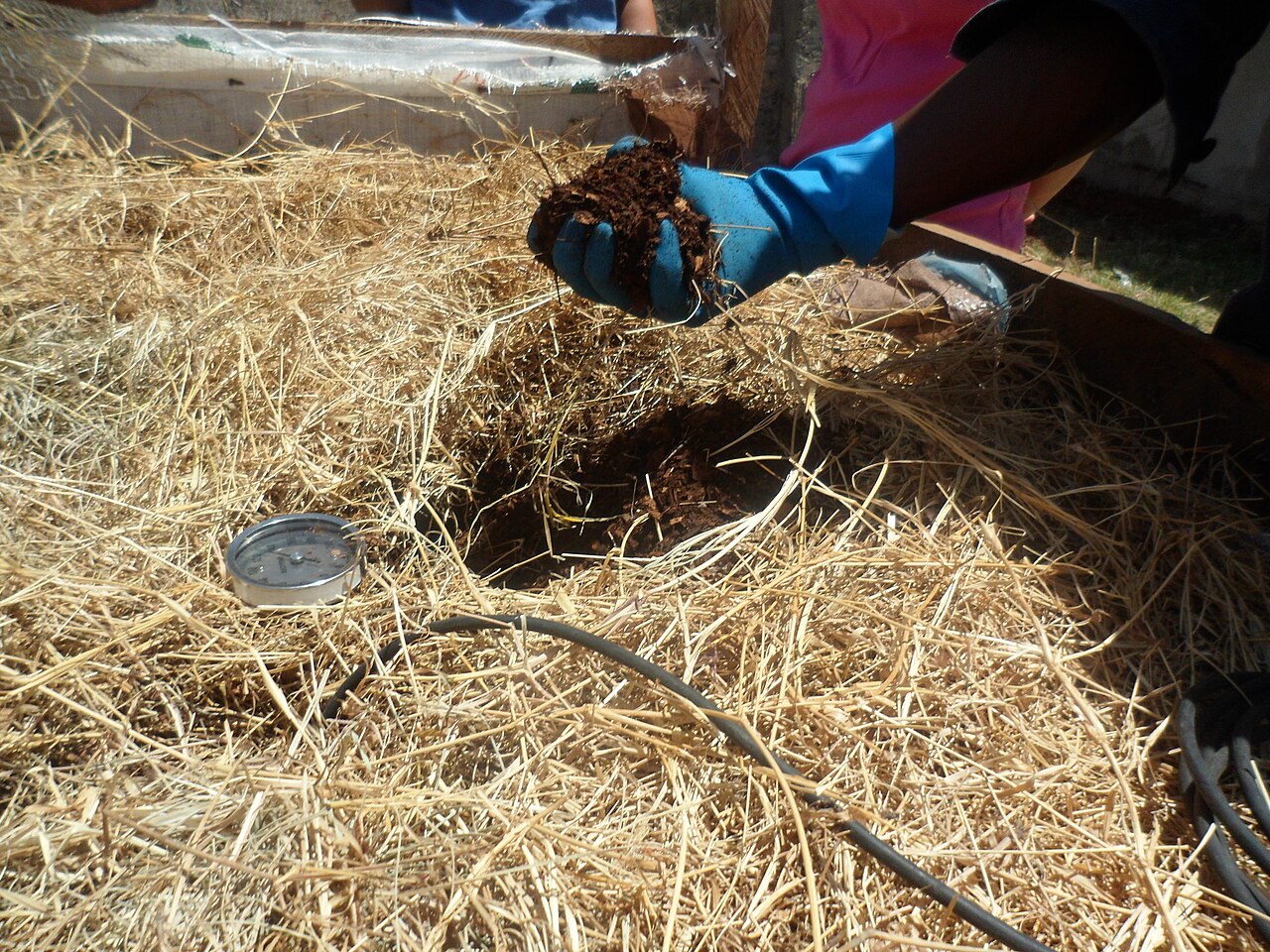
Batch separation is more important than the marketing label on a tumbler. Photo: SuSanA Secretariat, CC BY 2.0 via Wikimedia Commons.

A reliable step-by-step method
1. Measure a typical week of compostable inputs. Do not skip ahead simply because a later remedy is easier to buy. This check should be made under the same ordinary conditions you expect after purchase or repair. Record what you observed, change one variable at a time, and repeat the check before drawing a conclusion.
2. Decide how strictly you can stop adding to a batch. Do not skip ahead simply because a later remedy is easier to buy. This check should be made under the same ordinary conditions you expect after purchase or repair. Record what you observed, change one variable at a time, and repeat the check before drawing a conclusion.
3. Compare usable chamber volume rather than total advertised volume. Do not skip ahead simply because a later remedy is easier to buy. This check should be made under the same ordinary conditions you expect after purchase or repair. Record what you observed, change one variable at a time, and repeat the check before drawing a conclusion.
4. Check door size against bulky material. Do not skip ahead simply because a later remedy is easier to buy. This check should be made under the same ordinary conditions you expect after purchase or repair. Record what you observed, change one variable at a time, and repeat the check before drawing a conclusion.
5. Test handle and drum height for comfortable turning. Do not skip ahead simply because a later remedy is easier to buy. This check should be made under the same ordinary conditions you expect after purchase or repair. Record what you observed, change one variable at a time, and repeat the check before drawing a conclusion.
6. Inspect ventilation and drainage design. Do not skip ahead simply because a later remedy is easier to buy. This check should be made under the same ordinary conditions you expect after purchase or repair. Record what you observed, change one variable at a time, and repeat the check before drawing a conclusion.
7. Plan where material will cure after active tumbling. Do not skip ahead simply because a later remedy is easier to buy. This check should be made under the same ordinary conditions you expect after purchase or repair. Record what you observed, change one variable at a time, and repeat the check before drawing a conclusion.
8. Confirm frame footprint and stability. Do not skip ahead simply because a later remedy is easier to buy. This check should be made under the same ordinary conditions you expect after purchase or repair. Record what you observed, change one variable at a time, and repeat the check before drawing a conclusion.
9. Choose a pest-management routine. Do not skip ahead simply because a later remedy is easier to buy. This check should be made under the same ordinary conditions you expect after purchase or repair. Record what you observed, change one variable at a time, and repeat the check before drawing a conclusion.
10. Keep a simple fill and rest calendar. Do not skip ahead simply because a later remedy is easier to buy. This check should be made under the same ordinary conditions you expect after purchase or repair. Record what you observed, change one variable at a time, and repeat the check before drawing a conclusion.
How to interpret what you observe
Look for patterns across place, time, and load. A problem that appears everywhere points toward a shared source or method. A problem limited to one branch, pot, fitting, chamber, or tool points toward that component. A problem that appears only at peak load may indicate marginal capacity rather than total failure.
Repeat observations after the system has reached normal conditions. Freshly watered soil, an empty cart, a cool battery, a newly cleaned blade, or an unloaded hose can behave differently from the same item halfway through the job. One quick demonstration is valuable, but it should not outweigh the full working cycle.
Use numbers where they are easy to obtain: elapsed time, container volume, route length, branch diameter, bed dimensions, number of loads, charge time, or cycles between adjustments. Do not invent precision. A repeatable household measurement is more useful than a highly precise estimate based on missing information.
Selection criteria that matter most
Compatibility
Compatibility includes physical fit, operating requirements, and the manufacturer's stated intended use. Similar-looking threads, batteries, blades, fittings, containers, and accessories are not automatically interchangeable. If the documentation is unclear, ask the manufacturer and keep the answer with the receipt.
Working capacity
Use the rated capacity for the exact configuration and stay within it. Capacity may change with material, diameter, temperature, tool attachment, battery, charger, or distribution of the load. A sensible margin makes ordinary operation easier and leaves room for variation.
Handling and ergonomics
Weight on a product page rarely describes the full experience. Add water, soil, material, battery, accessories, or the force required to operate the mechanism. Consider grip span, handle height, balance, turning space, winding resistance, and how often the item must be lifted.
Maintenance and repair
Before buying, find the cleaning instructions and replacement-parts diagram. Look for washers, blades, tires, fasteners, filters, seals, hinges, chargers, or batteries that are expected to wear. A repairable product is useful only if parts remain identifiable and the repair can be performed safely.
Storage
Good storage reduces damage and friction in the routine. Measure the storage location, ventilation, temperature, wall strength, floor space, and route to the work area. An option that packs small but requires difficult setup may not save time overall.
Common mistakes and why they fail
Treating both chambers as one continuous pile
This shortcut can hide the real constraint and sometimes creates a second problem. Return to the baseline test, inspect the relevant part, and use the product instructions for that component. A purchase is justified only when it removes a demonstrated limitation.
Filling a chamber so full it cannot mix
This shortcut can hide the real constraint and sometimes creates a second problem. Return to the baseline test, inspect the relevant part, and use the product instructions for that component. A purchase is justified only when it removes a demonstrated limitation.
Buying by total gallons alone
This shortcut can hide the real constraint and sometimes creates a second problem. Return to the baseline test, inspect the relevant part, and use the product instructions for that component. A purchase is justified only when it removes a demonstrated limitation.
Expecting finished compost on a guaranteed calendar
This shortcut can hide the real constraint and sometimes creates a second problem. Return to the baseline test, inspect the relevant part, and use the product instructions for that component. A purchase is justified only when it removes a demonstrated limitation.
Ignoring the need for dry browns beside the tumbler
This shortcut can hide the real constraint and sometimes creates a second problem. Return to the baseline test, inspect the relevant part, and use the product instructions for that component. A purchase is justified only when it removes a demonstrated limitation.
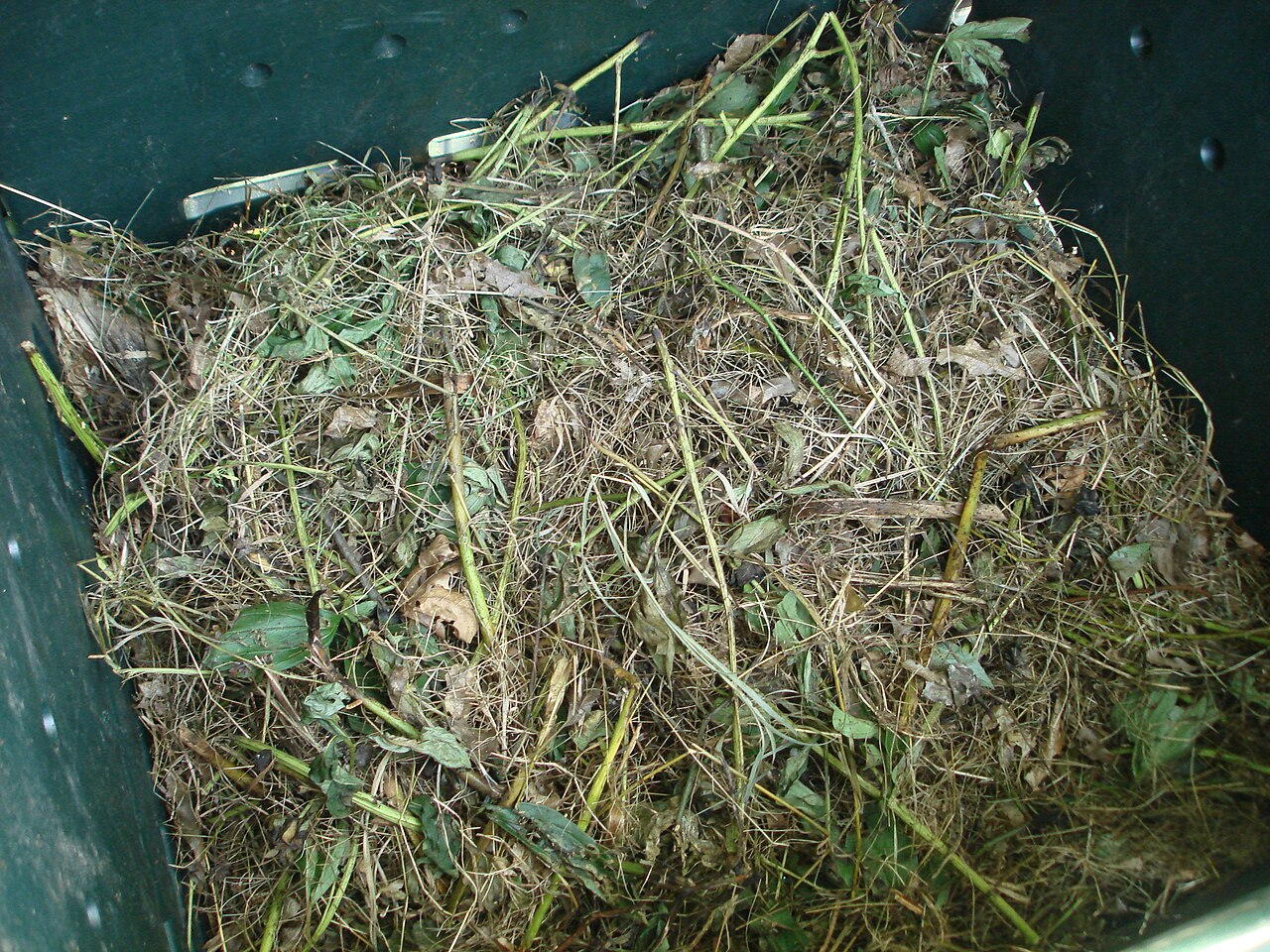
Materials in a compost bin . Photo: Ksd5, CC0 via Wikimedia Commons.

Three realistic scenarios
Small space and light routine
Prioritize fit, easy storage, and low setup friction. Buy enough capacity for the normal job with a modest margin. Compact equipment still needs stable placement, drainage or ventilation where relevant, and a route that does not create a trip or tipping hazard.
Mixed household garden
Choose a flexible core setup and add specialized pieces only for recurring tasks. Keep parts labeled, store compatible accessories together, and write down settings that worked. A household with several users benefits from simple controls and a short inspection checklist more than from maximum adjustability.
Demanding site or frequent use
Durability, replaceable wear parts, service access, and ergonomic fit deserve more weight. Calculate downtime and the cost of duplicate batteries, hoses, blades, wheels, or containers. If the work approaches professional scale, compare professional systems and qualified service rather than stretching a residential product beyond its instructions.
Maintenance calendar
Before each use, inspect the obvious wear points and confirm that moving parts, connections, supports, or drainage paths are clear. During use, stop when performance changes; forcing the task can turn a small obstruction or adjustment into permanent damage.
Monthly during the active season, clean the product as directed, check fasteners and seals, and compare performance with the baseline notes. Seasonal shutdown should include thorough cleaning, drying, protected storage, and removal or charging of batteries according to their manuals.
Once a year, review whether the site or workload has changed. Plants grow, soil settles, paths shift, seals harden, blades wear, and new tools enter the system. Maintenance is not only restoring the original setup; it is keeping the setup matched to the current job.
Affiliate content opportunities without overclaiming
- Single-Chamber Tumbler: useful as a product-comparison block when specifications, compatibility, limitations, and who should skip it are stated plainly.
- Dual-Chamber Tumbler: useful as a product-comparison block when specifications, compatibility, limitations, and who should skip it are stated plainly.
- Compost Thermometer: useful as a product-comparison block when specifications, compatibility, limitations, and who should skip it are stated plainly.
- Compost Aerator: useful as a product-comparison block when specifications, compatibility, limitations, and who should skip it are stated plainly.
- Curing Bin Or Garden Cart: useful as a product-comparison block when specifications, compatibility, limitations, and who should skip it are stated plainly.
For each product block, disclose affiliate relationships, state the selection criteria, link to the current manufacturer specification, and avoid claiming personal testing unless a documented test actually occurred. A useful recommendation names the suitable user, the important limitation, and a lower-cost alternative.
Frequently asked questions
Should I buy the largest or highest-capacity option?
Usually not by default. Extra capacity can add cost, weight, bulk, and maintenance. Choose enough for the measured job plus a reasonable margin, then confirm that the larger size does not make ordinary handling worse.
Can reviews replace measurements?
Reviews can reveal recurring issues, but another buyer may have a different site, model revision, climate, or workload. Use reviews to create questions. Use specifications, manuals, and your own measurements to answer them.
When should I repair instead of replace?
Repair when the failed part is identifiable, the manufacturer supports the repair, the surrounding structure is sound, and the restored item can be tested safely. Replace when damage affects a critical structure, rated pressure part, electrical safety, blade integrity, or when compatible parts are unavailable.
How much safety margin is enough?
There is no universal percentage. Use the manufacturer's limits and consider natural variation in the load. Do not treat a safety margin as permission to exceed a rating. If the normal job repeatedly approaches a limit, move to a more suitable class of equipment.
What should I document after purchase?
Save the receipt, exact model, serial number where relevant, manual, warranty, and parts diagram. Record the initial setup and a simple baseline result. This information makes later troubleshooting and warranty conversations faster.
Are generic accessories safe to mix?
Only when compatibility and intended use are explicit. A part that connects physically may still have different pressure, electrical, material, or load requirements. Adapters add failure points and may affect warranties.
What is the best budget strategy?
Spend first on the component that controls safety, compatibility, or the main recurring task. Delay decorative accessories and specialized add-ons. A simple complete system is usually more valuable than a premium core product surrounded by mismatched parts.
When should I call a professional?
Call a qualified professional for uncertain household supply problems, structural loads, electrical faults, large or overhead tree work, buried utilities, serious instability, or anything that requires bypassing a safety device. A guide cannot inspect hidden conditions at your property.
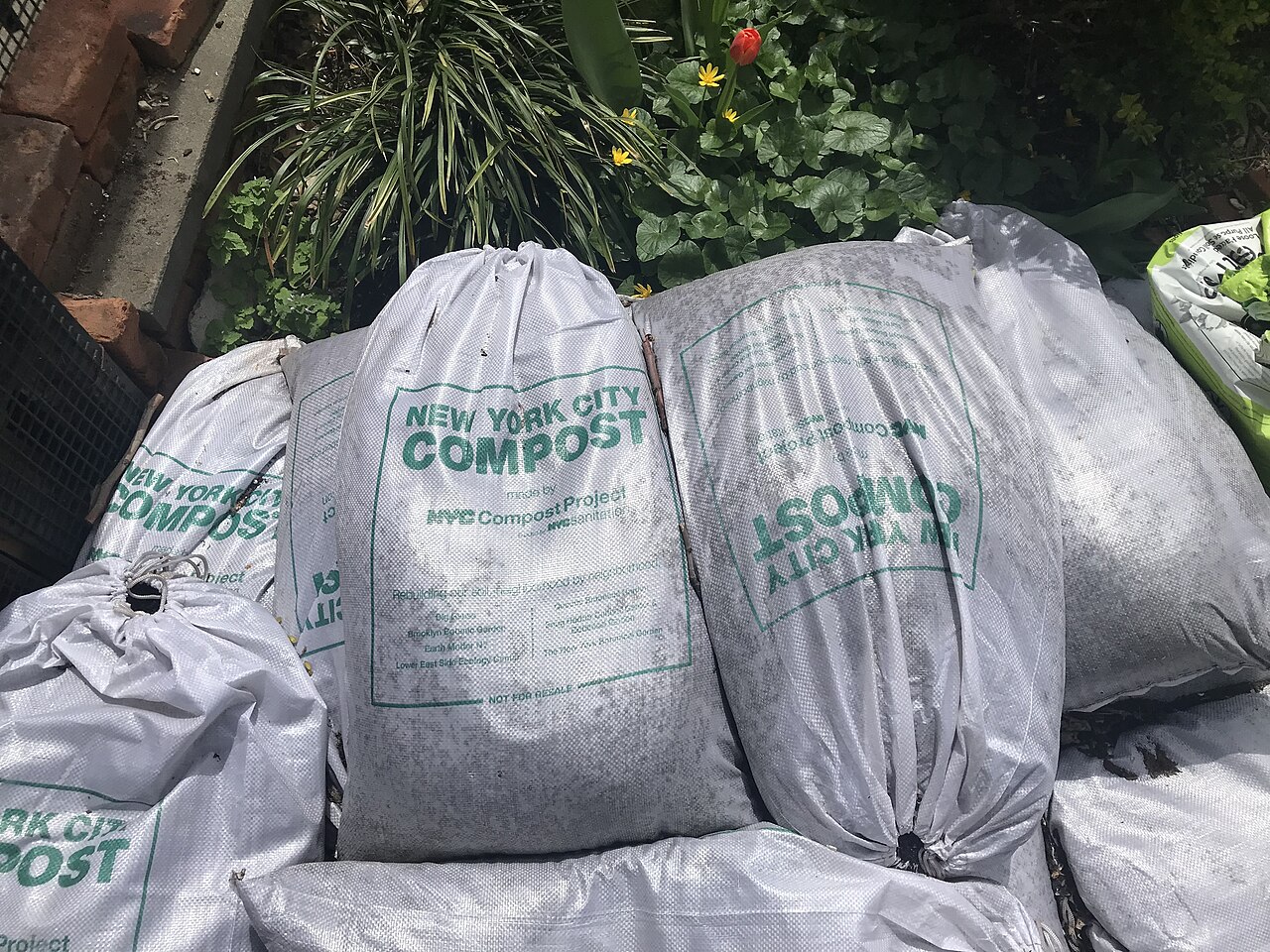
NYC Compost Project bags at Brooklyn Bears community garden Photo: Wil540 art, CC BY-SA 4.0 via Wikimedia Commons.

Related Gardening Is Ezee guides
Sources and further reading
Final checklist
Define the result, measure the site, identify the hardest normal condition, read the exact manual, compare compatible options, include accessories in the cost, test during the return window, and create a maintenance plan. For single chamber vs dual chamber compost tumbler, the best answer is the setup that solves the measured problem reliably without adding avoidable complexity.
Field notes for a better real-world result
A controlled comparison does not have to be elaborate. Photograph the starting condition, write down the setting, complete one normal cycle, and photograph the result from the same position. If you change two things at once, you may improve the outcome but will not know which change mattered. That uncertainty makes the next problem harder to solve.
Weather and season belong in the record. Heat, wind, freezing conditions, rainfall, plant growth, and frequency of use can turn an adequate setup into a marginal one. Revisit the decision when the demanding season arrives rather than assuming a spring test represents the whole year.
The final test should include cleanup and storage. Time the complete routine, not only the active task. If an item saves five minutes of work but adds ten minutes of awkward winding, washing, charging, or lifting, the total system has not become easier. This is why handling and storage deserve space in a buying guide.
A simple scoring worksheet
Score each candidate from one to five for compatibility, working capacity, handling, maintenance, storage, service, and total cost. Multiply compatibility and safety-related categories by two. Reject any option that fails a mandatory requirement even if its total score looks attractive. Keep short notes beside every score so the ranking remains explainable. Apply the same standard to single chamber vs dual chamber compost tumbler and note any assumption that still needs confirmation. A transparent unknown is safer than a confident guess.
Questions to ask a seller
Ask for the exact model manual, capacity conditions, included components, replacement-part numbers, warranty exclusions, and the procedure for obtaining service. If the answer relies on a category-wide promise rather than the model documentation, treat the specification as unknown. Save written replies with the order confirmation. Apply the same standard to single chamber vs dual chamber compost tumbler and note any assumption that still needs confirmation. A transparent unknown is safer than a confident guess.
Return-window test
Inspect for shipping damage, verify every included part, assemble only as instructed, and run an ordinary low-risk task before discarding packaging. Do not deliberately overload or misuse the product. Document leaks, binding, imbalance, fit problems, unusual heat, or missing parts immediately and contact the seller or manufacturer. Apply the same standard to single chamber vs dual chamber compost tumbler and note any assumption that still needs confirmation. A transparent unknown is safer than a confident guess.
Sustainability check
Durability, repairability, correct sizing, and shared accessories can reduce waste. Buy a platform or product only when its useful life and parts support justify the commitment. Clean and store it properly, donate a serviceable item you no longer need, and use an authorized recycler for batteries or materials that require special handling. Apply the same standard to single chamber vs dual chamber compost tumbler and note any assumption that still needs confirmation. A transparent unknown is safer than a confident guess.